
Top-Rated Tools for Demolishing Old Residential Structures
Get insights into the best tools to efficiently and safely dismantle aging houses, whether for renovation or clearance.
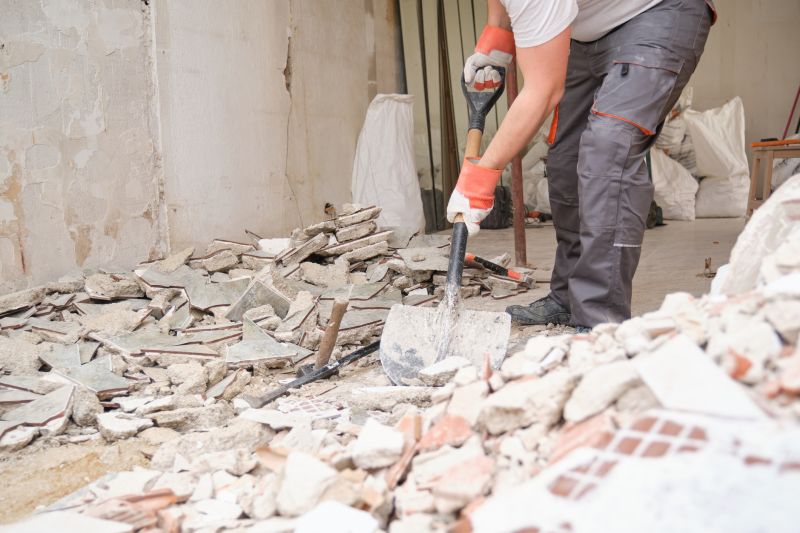 Removing old housing structures often requires specialized tools and equipment to ensure safety and efficiency. When undertaking demolition projects, it is important to select products that can handle the diverse materials and structural components found in aging buildings. From heavy-duty tools designed for breaking through concrete and masonry to precise instruments for dismantling delicate fixtures, a well-curated set of products can make the process smoother and safer. Proper planning and the right equipment are essential for managing debris, minimizing hazards, and completing demolition tasks effectively.
Top Overall Option
Heavy-Duty Demolition Hammer
A versatile demolition hammer is an essential tool for breaking through concrete, brick, and masonry in old housing structures. It offers powerful performance with adjustable settings to handle various materials, making it suitable for both professional contractors and serious DIYers. Its ergonomic design reduces fatigue during extended use, and its durability ensures reliable operation over multiple projects.
Types of Products For Old Housing Demolitions
Demolition Hammers
Heavy-duty tools designed for breaking concrete, brick, and masonry surfaces.
Reciprocating Saws
Versatile saws ideal for cutting through wood, metal, and drywall during demolition.
Crowbars and Pry Bars
Essential hand tools for prying apart structures and removing fixtures.
Sledgehammers
Heavy impact tools for breaking apart large sections of walls and foundations.
Dust Masks and Respirators
Protective equipment to safeguard against dust, asbestos, and other airborne hazards.
Safety Goggles and Face Shields
Eye protection to prevent injuries from flying debris and dust particles.
Protective Clothing
Durable workwear designed to shield skin from cuts, abrasions, and debris.
Lifting and Hoisting Equipment
Tools like hoists and pulleys to assist in removing heavy materials safely.
Scaffolding and Ladders
Access equipment to reach high or difficult areas safely during demolition.
Debris Chutes and Containers
Systems for efficient debris disposal and transportation from the demolition site.
Asbestos and Lead Removal Tools
Specialized equipment for safely removing hazardous materials in older buildings.
Rotary and Angle Grinders
Power tools for cutting metal, concrete, and other tough materials.
Hammer Drills
Power tools for drilling into concrete, brick, and stone during demolition prep.
Vacuum Systems
Industrial vacuums for cleaning up dust and small debris efficiently.
Water Suppression Systems
Equipment to minimize dust during demolition activities.
Portable Lighting
Lighting solutions to illuminate work areas in poorly lit or enclosed spaces.
Tool Storage and Organization
Durable storage solutions to keep tools organized and accessible during projects.
Popular Choices
Widely used for cutting through various materials quickly and precisely.
Commonly employed for breaking apart large structural components.
Popular safety gear to protect against airborne particles during demolition.
Frequently used hand tools for prying and dismantling fixtures.
Versatile power tools favored for cutting and grinding tasks.
Essential for safely removing heavy debris and structural elements.
Commonly chosen for access and safety during demolition work.
Popular for efficient cleanup of dust and small debris.
Frequently selected for eye and face protection in demolition sites.
Widely used to ensure worker safety from debris and sharp objects.
Commonly used for cutting and grinding in demolition projects.
Trending for dust control during demolition activities.
Popular for keeping tools accessible and organized on-site.
In addition to the core tools, safety gear plays a critical role in demolition activities. Protective clothing, eye shields, ear protection, and respiratory masks help safeguard workers from dust, falling debris, and loud noises. For larger projects, equipment such as scaffolding, lifting devices, and dust suppression systems may be necessary to facilitate access and control the environment. Choosing durable and reliable products ensures that demolition efforts adhere to safety standards and can withstand the demanding conditions often encountered in older structures.
It's also beneficial to consider products that assist in the cleanup and disposal process. Heavy-duty trash bags, debris chutes, and portable containers help organize and transport waste efficiently. In some cases, specialized tools for removing hazardous materials like asbestos or lead-based paint are required to comply with safety regulations. By selecting appropriate products tailored to the specific needs of old housing demolition, contractors and DIY enthusiasts can optimize their workflow while maintaining safety and compliance throughout the project.
Key Buying Considerations
- Assess the types of materials present in the old structure to select appropriate tools.
- Prioritize safety equipment such as masks, goggles, and protective clothing.
- Consider the power source of tools—corded or cordless—based on site accessibility.
- Evaluate the weight and ergonomic features of handheld tools for extended use.
- Determine the size and capacity of debris disposal systems needed for the project scope.
- Check compatibility of replacement parts and accessories for the tools.
- Review the durability and build quality to ensure longevity during demanding tasks.
- Identify any specialized tools required for hazardous materials removal, such as asbestos or lead paint.
- Ensure that lifting and hoisting equipment can handle the weight of heavy debris safely.
- Consider ease of transportation and storage of tools and equipment on-site.
- Look for multi-functional tools that can perform various tasks to reduce equipment needs.
- Evaluate noise levels and vibration features, especially for prolonged use.
- Check for compliance with safety standards and certifications relevant to demolition work.
- Estimate your budget and compare features to find the best value for your needs.